the evidence behind
harm reduction
the Rise of Smoke-Free Alternatives
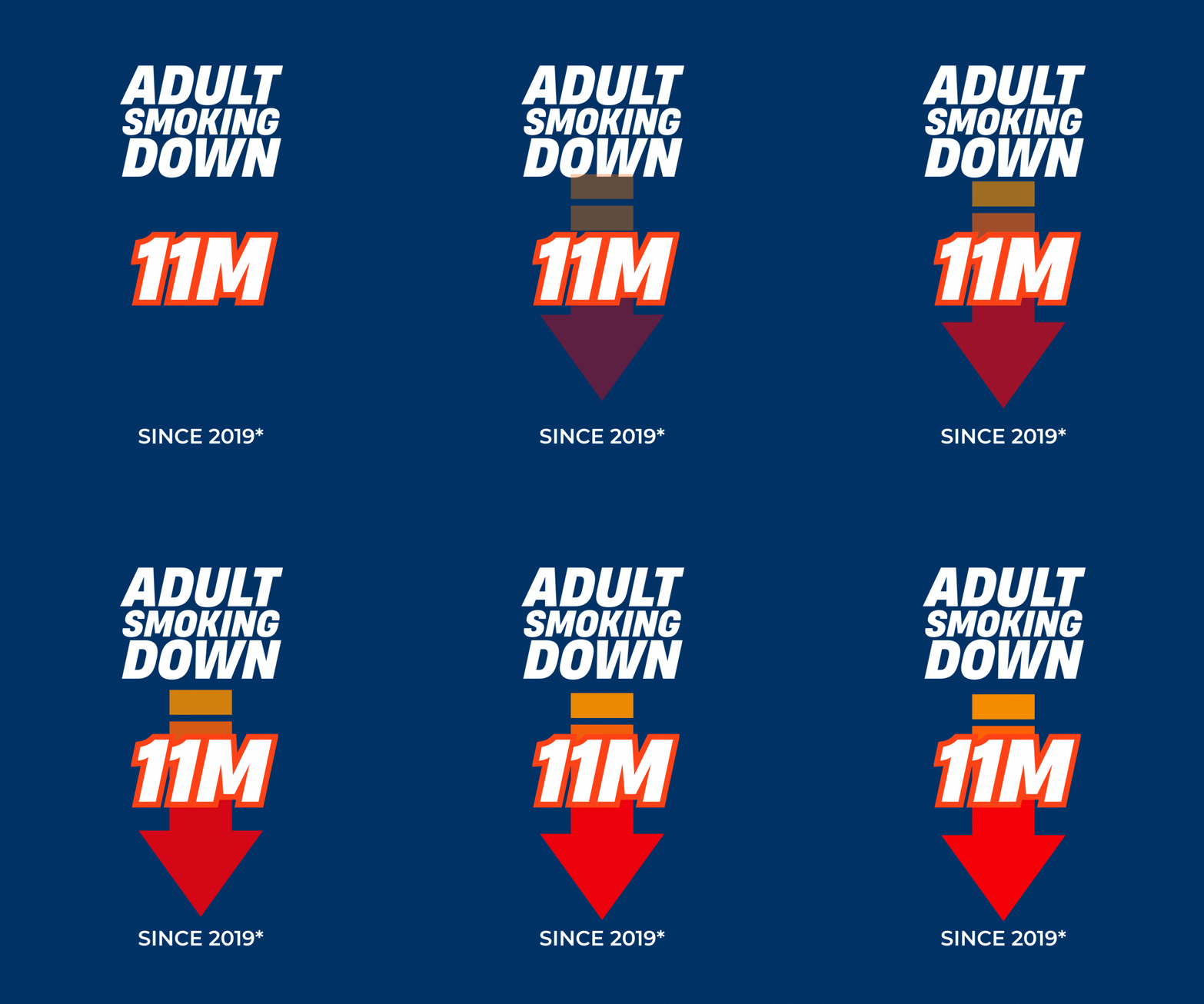
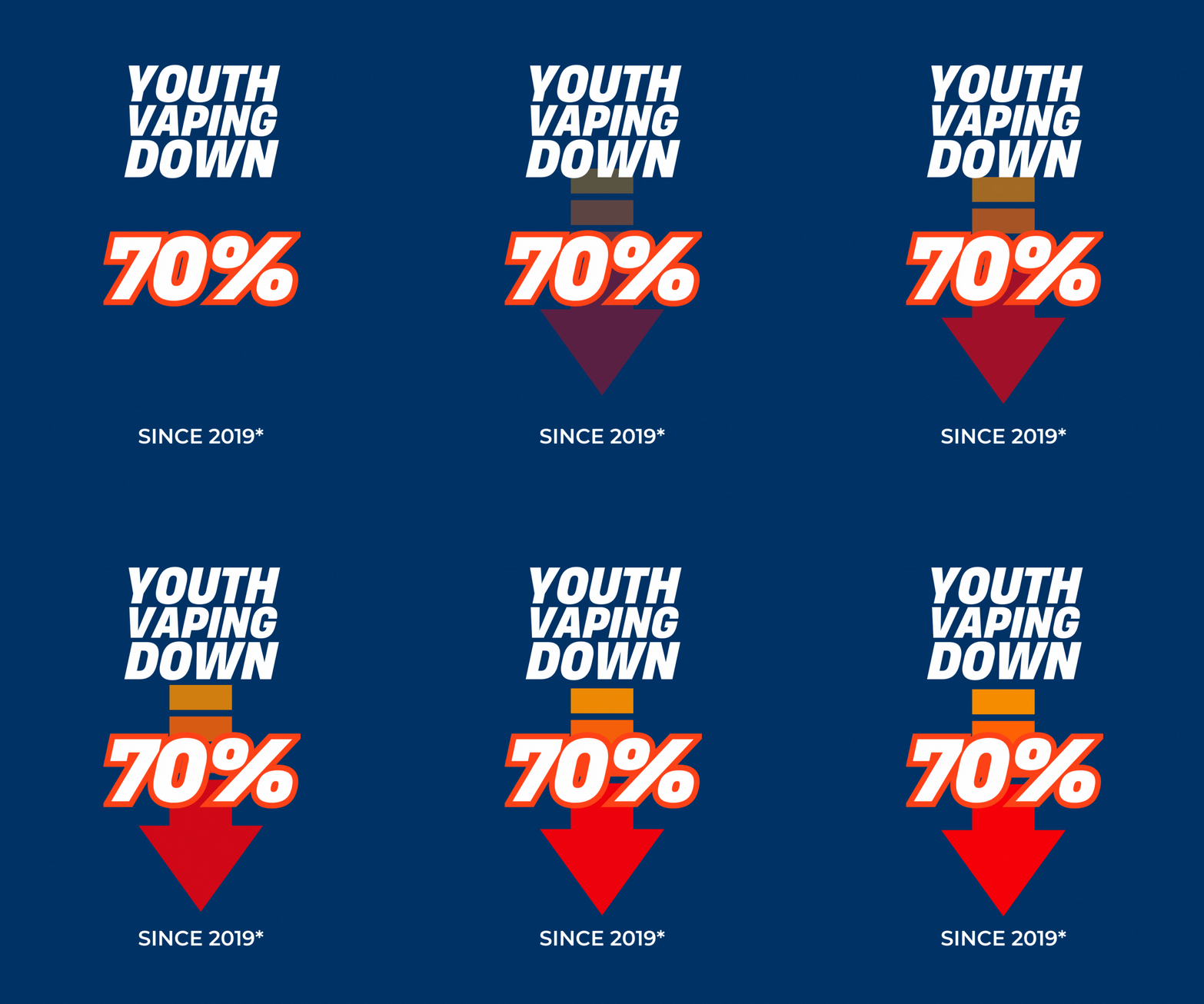
*SOURCE: CDC NATIONAL HEALTH INTERVIEW SURVEY, CDC NATIONAL YOUTH TOBACCO SURVEY
2007Entry of e-cigarette products into the U.S. market
The arrival of electronic nicotine-delivery systems (ENDS) marked the beginning of offering a non-combustible alternative to cigarettes. This opened a path for smokers who cannot or will not quit nicotine entirely to switch to a less harmful source of nicotine.

2016harm reduction emerges as legitimate public health strategy
The RCP concluded that e-cigarettes and other non-smoke nicotine delivery products have a role in reducing the harm from combustible tobacco. It estimated that e-cigarettes are “unlikely to exceed” around 5% of the harm of smoking. This means harm-reduction is a legitimate public health strategy.
SOURCe: Cancer Research UK (2016)

2019Randomized controlled trial is published on e-cigarettes versus nicotine-replacement therapy
In the landmark RCT by Hajek et al., 18.0% of adult smokers allocated to a refillable e-cigarette achieved one-year abstinence, versus 9.9% in the nicotine‐replacement group (relative risk ~1.83). This provides strong evidence that switching to an e-cigarette can be more effective than traditional NRT when supported.

2019-2024Rapid decline in adult smoking and teen nicotine use
National survey data show adult cigarette smoking fell by ~11 million in five years; teen nicotine vaping and smoking also plunged (teen vaping down ~70% since 2019). These trends coincide with increased access to less-harmful alternatives and broader harm-reduction strategies, although causation is complex.
source: cdc national health interview survey and cdc national youth tobacco survey

TODAYharm reduction repeatedly proven as effective public health strategy
The 2024 RCP report reaffirmed that e-cigarettes represent a valuable aid for adult smokers and emphasised the need to protect youth use while enabling switching for smokers. It strengthens the harm-reduction framework for policy.